
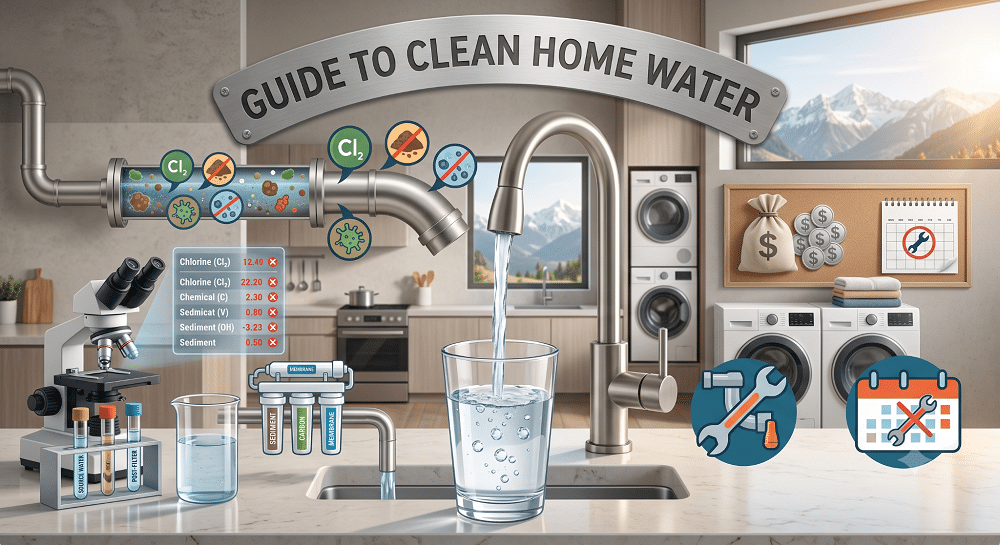
Installing a water filtration system is one of the best ways to improve your home’s water quality, but choosing the right solution involves more than simply purchasing the first system you find. Every home has unique water conditions, and selecting the wrong filtration system can leave contaminants untreated or result in unnecessary expenses over time.
Before investing in a filtration system, homeowners should understand their water quality, compare available filtration options, and consider the long-term costs of ownership. At Kinetico of Salt Lake City, homeowners are encouraged to take a thoughtful approach so they can select a system that delivers clean, reliable water for years to come.
Start with a Professional Water Quality Test
The first step before purchasing any water filtration system is determining exactly what’s in your water.
Water can contain a variety of contaminants depending on where you live, including:
- Sediment
- Chlorine
- Hard water minerals
- Lead
- Nitrates
- Iron
- Sulfur
- Volatile organic compounds (VOCs)
- Bacteria or other microorganisms
Without proper testing, it’s impossible to know which contaminants need to be addressed. A system designed to reduce chlorine, for example, may not effectively remove heavy metals or dissolved minerals.
Professional water testing helps identify your home’s specific water concerns, allowing you to choose a filtration solution designed to meet those needs instead of paying for unnecessary features.
Understand the Different Types of Water Filtration Systems
Not every water filtration system serves the same purpose. Understanding the available options can help homeowners make a more informed decision.
Whole-House Water Filtration Systems
Whole-house systems are installed where the main water line enters the home. They treat water before it reaches every faucet, appliance, and fixture.
Benefits include:
- Filtered water throughout the entire home
- Protection for plumbing and appliances
- Improved water for bathing, laundry, and cleaning
- Reduced sediment, chlorine, and other contaminants, depending on the system
These systems are ideal for homeowners who want comprehensive water treatment rather than filtration at a single location.
Under-Sink Water Filters
Under-sink systems are installed beneath a kitchen sink to filter water used for drinking and cooking.
They provide:
- Convenient access to filtered water
- Hidden installation
- Better taste and odor
- Lower upfront cost than whole-house systems
However, they only treat water from one faucet rather than the entire home’s water supply.
Countertop Filtration Units
Countertop filters connect directly to a faucet and require little to no permanent installation.
These systems can be a practical option for renters or homeowners looking for a temporary solution, though they typically offer less filtration capacity than larger systems.
Reverse Osmosis Systems
Reverse osmosis systems use multiple filtration stages and a specialized membrane to remove a wide range of dissolved contaminants from drinking water.
Many homeowners choose reverse osmosis systems because they can reduce:
- Dissolved solids
- Certain heavy metals
- Nitrates
- Chlorine
- Unpleasant tastes and odors
Reverse osmosis is commonly installed at the kitchen sink to provide high-quality drinking water while complementing a whole-house filtration system.
Consider Your Household’s Water Usage
Every family’s water usage is different.
When selecting a water filtration system, think about:
- Number of people in the home
- Daily water consumption
- Number of bathrooms
- Water-using appliances
- Outdoor water needs
- Future household growth
Choosing a system that’s too small may reduce water pressure or require more frequent maintenance, while purchasing an oversized system may increase unnecessary costs.
Working with experienced professionals like Kinetico helps ensure the selected system is appropriately sized for your household.
Review Installation Requirements
Some filtration systems are simple enough for basic installation, while others require professional expertise.
Before purchasing, consider:
- Available installation space
- Existing plumbing configuration
- Drain connections
- Electrical requirements (if applicable)
- Local plumbing codes
Professional installation can help ensure your filtration system operates efficiently while protecting manufacturer warranties.
Understand Maintenance Requirements
Every filtration system requires ongoing maintenance to continue performing properly.
Routine maintenance may include:
- Replacing filter cartridges
- Sanitizing components
- Monitoring system performance
- Inspecting plumbing connections
- Servicing specialized filtration equipment
Ignoring recommended maintenance schedules can reduce filtration performance and shorten the lifespan of the equipment.
Understanding maintenance expectations before purchasing helps homeowners avoid surprises later.
Factor in Filter Replacement Costs
The purchase price is only one part of owning a water filtration system.
Homeowners should also consider recurring expenses such as:
- Replacement filters
- Scheduled maintenance
- Professional servicing
- Water testing after installation
- Replacement components over time
Some systems require filter changes every few months, while others may only need annual maintenance. Comparing long-term ownership costs provides a more accurate picture than focusing solely on the initial purchase price.
Look for Trusted Certifications
Not all filtration systems perform equally.
When evaluating products, look for systems that have been independently tested and certified to verify their performance.
Trusted certifications help confirm that a system has been evaluated for:
- Contaminant reduction
- Material safety
- Structural integrity
- Product performance
It’s also important to carefully review manufacturer claims. Marketing language can sometimes sound impressive without clearly explaining which contaminants a system is actually designed to reduce.
Understanding certifications and verified performance data helps homeowners make confident purchasing decisions.
Think Beyond the Purchase Price
The least expensive filtration system isn’t always the most economical over the long term.
Higher-quality systems may offer:
- Longer equipment lifespan
- Lower maintenance requirements
- Greater filtration capacity
- Improved efficiency
- Better warranty coverage
Evaluating total ownership costs—including maintenance, repairs, filter replacements, and expected lifespan—can help homeowners identify the best long-term value.
If you’re researching a water filtration system in Utah, comparing both upfront and ongoing costs will help ensure your investment continues to provide reliable performance for years to come.
Make an Informed Investment in Your Home’s Water
Installing a water filtration system is an investment in your family’s comfort, health, and home. By testing your water first, understanding the different filtration options, evaluating maintenance requirements, reviewing certifications, and considering long-term ownership costs, you’ll be better equipped to choose the right solution for your needs.
Whether you’re interested in whole-house filtration, reverse osmosis, or another customized solution, Kinetico can help you evaluate your water quality and recommend a system designed to provide dependable performance for your household.