Installing a water softener can significantly improve your home’s water quality, but choosing the right system requires careful planning. Understanding key water softener installation tips before you buy can help you avoid costly mistakes, improve system performance, and ensure you select a solution that fits your household’s water usage and hardness levels. From testing your water to evaluating installation requirements, a little preparation goes a long way toward achieving reliable, long-term results.
However, not all water softeners are the same. Before choosing a system, there are several important factors to evaluate. From testing water hardness to selecting the right capacity and understanding maintenance requirements, taking the time to make an informed decision can save money and prevent headaches later.
Why Water Softeners Matter
Hard water contains elevated levels of minerals such as calcium and magnesium. While these minerals are not harmful to drink, they can create significant problems inside a home.
Over time, hard water causes scale buildup inside pipes, water heaters, dishwashers, washing machines, and other appliances. This buildup reduces efficiency, increases energy costs, and shortens equipment lifespan.
A quality water softener removes or neutralizes these minerals, helping your home’s plumbing and appliances perform more efficiently.
Understanding Hard Water and Its Effects
Common Signs of Hard Water
Many homeowners live with hard water without realizing it. Common indicators include:
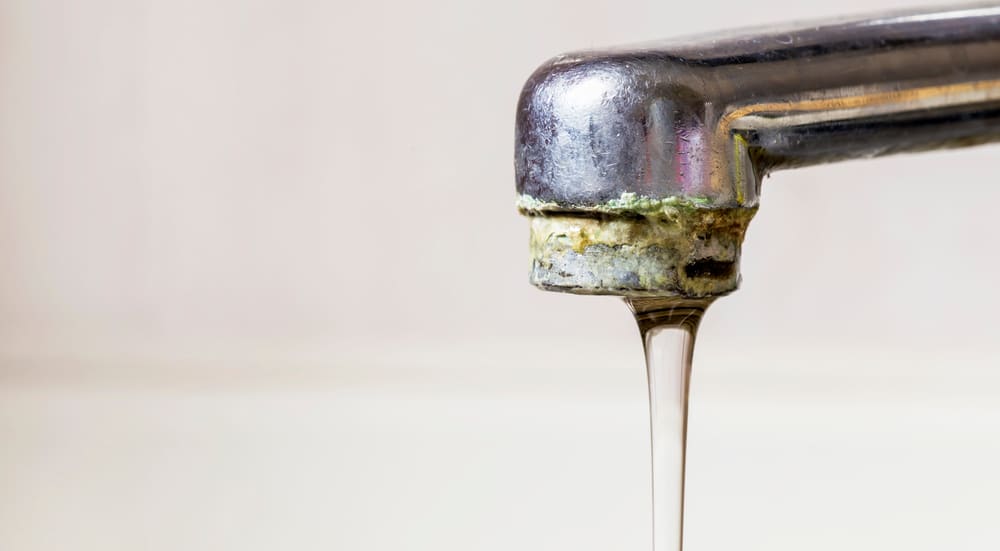
- White mineral deposits on faucets and fixtures
- Soap scum in showers and sinks
- Spotty dishes and glassware
- Dry skin and dull hair
- Reduced water pressure
- Frequent appliance maintenance
If these signs sound familiar, a water softener may be the solution.
How Hard Water Impacts Your Home
Hard water doesn’t just affect appearance. Mineral buildup inside pipes can restrict water flow, while scale accumulation inside appliances forces them to work harder. Over time, this can lead to higher utility bills and expensive repairs.
Test Your Water Hardness First
Using Water Hardness Test Kits
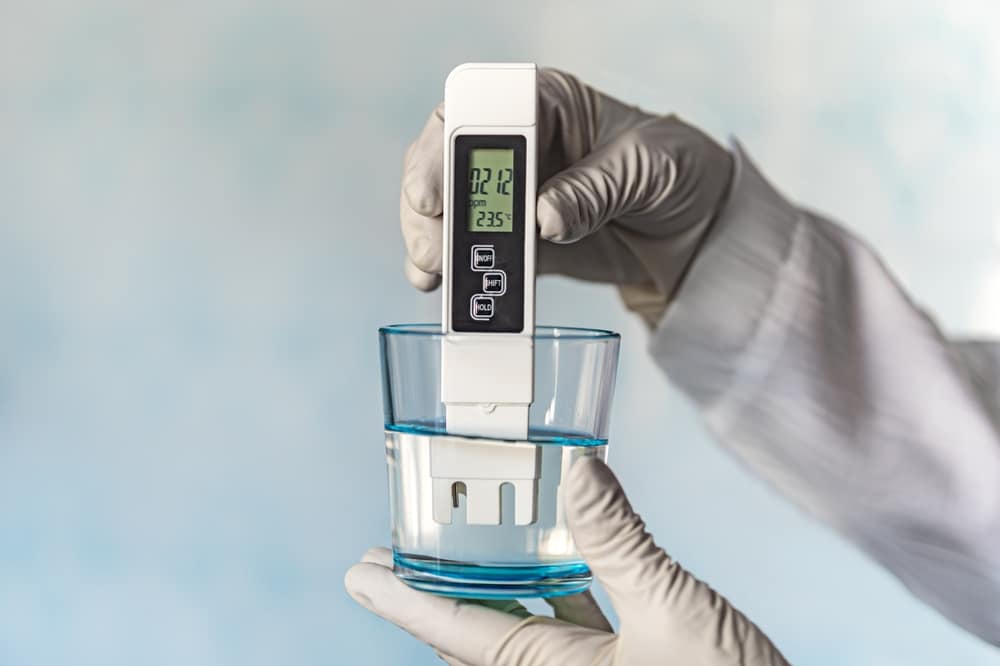
Before purchasing a water softener, homeowners should determine their water hardness level. Home test kits are widely available and provide a quick way to measure hardness in grains per gallon (GPG) or parts per million (PPM).
Reviewing Municipal Water Reports
Many local water providers publish annual water quality reports. These reports often include hardness information and can provide a useful starting point when evaluating your water treatment needs.
Why Hardness Levels Matter
Testing water hardness is essential because it directly affects system sizing. Installing a system that is too small can lead to frequent regeneration cycles and reduced efficiency. A properly sized system delivers better performance and lower operating costs.
Choosing the Right System Size and Capacity
Understanding Grain Capacity
Conventional water softeners are typically rated by grain capacity. This number indicates how many hardness minerals the system can remove before regeneration is required.
Selecting the correct capacity helps ensure efficient operation and consistent soft water throughout your home.
Household Size Considerations
A family of six uses significantly more water than a household of two. The number of occupants should always be factored into system selection.
Daily Water Usage Requirements
In addition to household size, consider daily activities such as laundry, showers, dishwashing, and irrigation. Higher water usage often requires a larger-capacity system.
Salt-Based vs. Salt-Free Water Softeners
How Salt-Based Systems Work
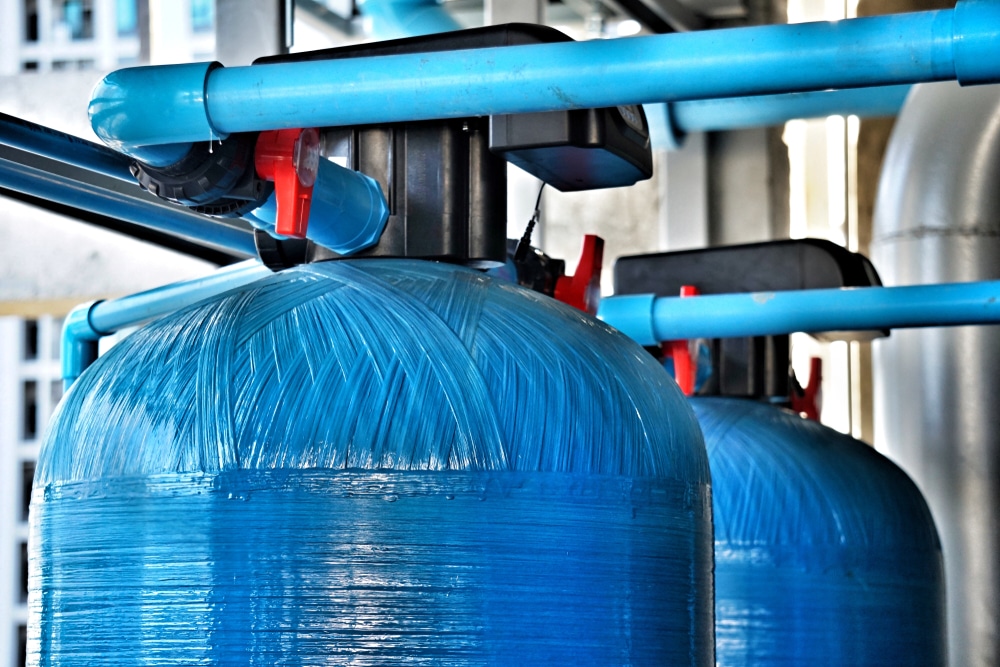
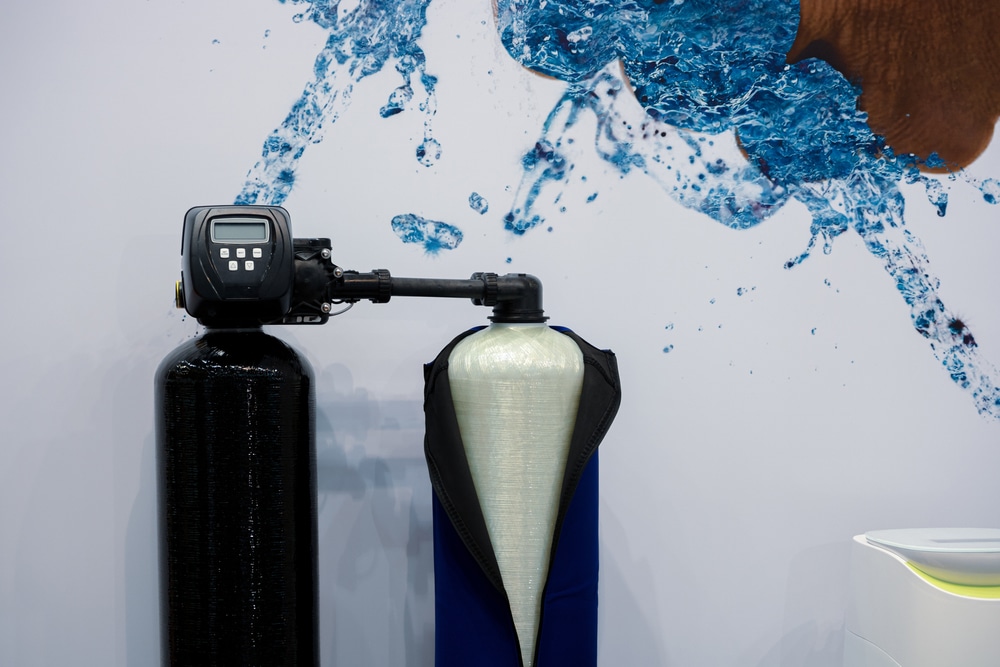
Salt-based water softeners remove calcium and magnesium through an ion exchange process. These systems are highly effective at preventing scale buildup and producing truly softened water.
How Salt-Free Systems Work
Salt-free systems do not remove hardness minerals. Instead, they alter how minerals behave, which may help reduce scale formation inside some plumbing.
Which Option Is Best for Your Home?
The right choice depends on your water conditions and household goals. Homes with significant hard water issues benefit most from traditional salt-based systems. Salt-free options may be suitable for homeowners looking to reduce scale in their water heater without using salt..
Installation Requirements to Consider
Drain Location Requirements
Most water softeners require access to a drain for regeneration discharge. Homeowners should verify that an appropriate drain location is available before installation.
Electrical and Space Considerations
A typical water softener requires electricity, a Kinetico water softener operates without it. Adequate installation space is also important to allow for servicing and maintenance.
Professional Installation vs. DIY
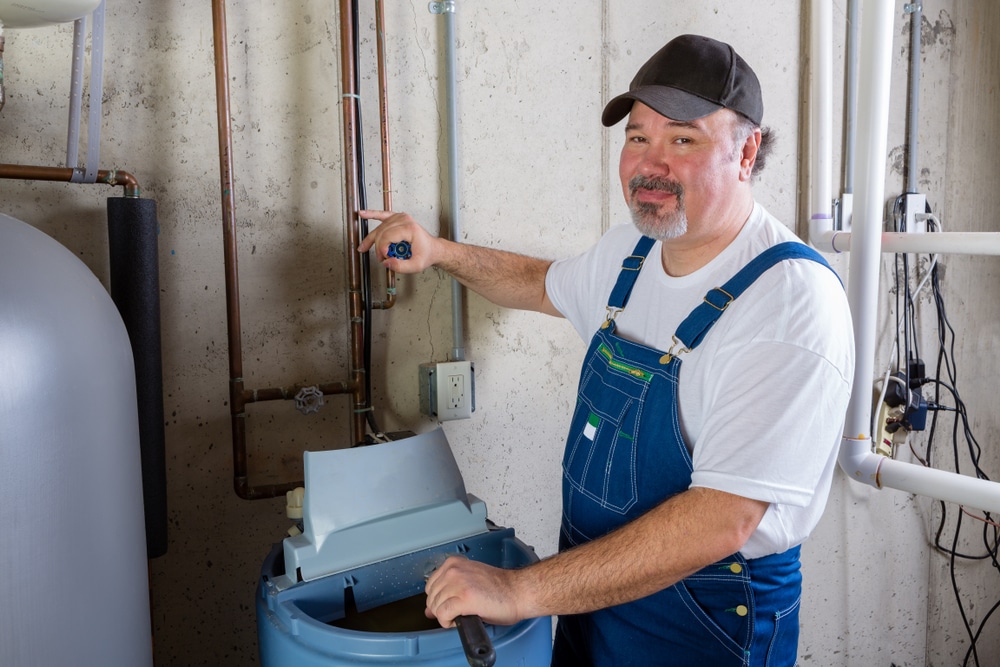
While some homeowners attempt DIY installation, professional installation often ensures optimal performance and compliance with local plumbing codes. Proper setup can prevent leaks, inefficiencies, and future repairs.
Ongoing Maintenance Requirements
Salt Refills
For salt-based systems, homeowners must periodically add salt to the brine tank. The frequency depends on household water usage, water hardness and the efficiency of the system..
Why Professional Guidance Makes a Difference
Selecting a water softener involves more than choosing a model online. Water chemistry, household size, plumbing layout, and long-term operating costs should all be considered.
Many homeowners find that working with professionals simplifies the process and helps them choose a solution that matches their needs. Companies offering Hassle-Free Water Softeners can provide expert recommendations, professional installation, and ongoing support to maximize system performance.
Before You Install
A water softener is more than a convenience—it’s an investment in your home’s plumbing, appliances, and long-term efficiency. By testing your water hardness, choosing the appropriate system size, understanding the differences between salt-based and salt-free options, and planning for ongoing maintenance, you can make a confident and informed decision.
If you’re ready to improve your water quality, the team at Kinetico can help you find the right solution for your home’s specific needs. With professional guidance and proven water treatment systems, you’ll enjoy cleaner, softer water and lasting protection for your home.